News
Crime records targeted: FBI investigates suspected NCIC hack
The FBI is investigating a suspected attack on its NCIC crime database. Altered records could put officers and the public at risk during police stops.
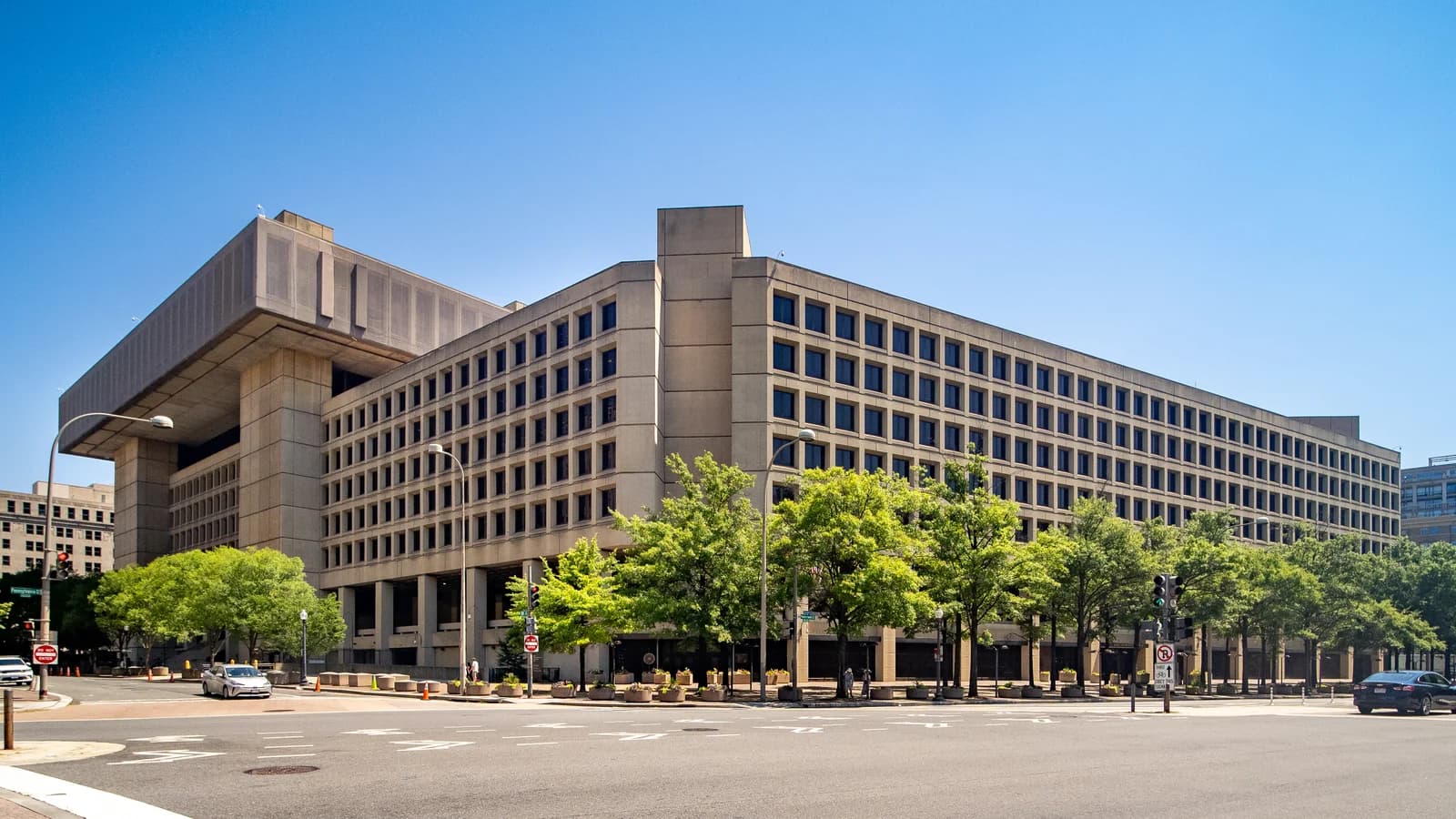
Archive photo 2024 Photo Ajay Suresh CC BY 2.0 Image credit
- Original title
- FBI Headquarters - J. Edgar Hoover Building
- Photographer
- Ajay Suresh
- Photographed
- 21 June 2024
- Licence
- CC BY 2.0


Is the driver wanted? Was the car stolen? US police officers turn to the National Crime Information Center for answers. Now the FBI is investigating a suspected hack of that database.
CNN reported the incident on 20 November, citing two people briefed on the investigation. A further source confirmed the investigation to the Associated Press on 21 November. The FBI declined to comment to AP.
Police agencies use NCIC around the clock
NCIC connects federal, state and local law enforcement agencies. They enter records and can retrieve information from other agencies around the clock. According to the FBI, more than 100,000 criminal justice and law enforcement partners use the system.
It holds records of wanted and missing people, stolen vehicles and firearms, and protection orders. It also includes victims of identity theft. Its records therefore concern people who need protection or help as well as people wanted by police.
The agencies entering records are responsible for their quality. They must update information and remove obsolete entries. The FBI manages the shared infrastructure and requires agencies to validate their records regularly.
Altered records could put people at risk
A former FBI official who led cybercrime investigations warned CNN about the consequences of inaccurate information. Officers rely on records of wanted people and outstanding warrants during stops. If attackers changed those details, officers could misjudge a situation and put themselves or others at risk.
In information security, protecting information against unauthorised changes is known as integrity. For NCIC, that means protecting the details officers use to make decisions. How they verify a database hit therefore matters alongside protection against unauthorised access.
A database hit alone does not justify an arrest
The FBI requires agencies to confirm an NCIC hit before taking action based on it. The agency making the query must contact the agency that entered the record.
The NCIC operating manual sets out this check in section 3.5: Does the record actually match the person or property being checked? Is the warrant still outstanding, the person still missing or the vehicle still reported stolen?
A similar name or an outdated entry must therefore not become an unchecked basis for action. Wanted-person cases involve further considerations, including whether the entering agency would arrange extradition from the state concerned. Under the FBI's rules, a positive database hit alone does not establish probable cause for an arrest.
An FBI recruitment portal was targeted in September
AP also reports an incident in September 2026. The FBI investigated an attack on its recruitment portal after the group ShinyHunters claimed to have stolen employee and applicant data. The current investigation concerns NCIC, a system agencies use in everyday police work.
Sources
- CNN: The FBI was hacked again. This time, the breach targeted its crime database, 20 November 2026 [Accessed ]
- AP: FBI investigating apparent hack of key criminal justice information database, 21 November 2026 [Accessed ]
- FBI: National Crime Information Center (NCIC) [Accessed ]
- FBI: NCIC Operating Manual, Introduction, 31 December 2025, section 3.5 [Accessed ]