Guide
NIS2 for energy providers: Separate legal duties and operational dependencies
Energy providers need sector-specific NIS2 classification. Connect responsibilities, IT/OT dependencies and dependable recovery measures.
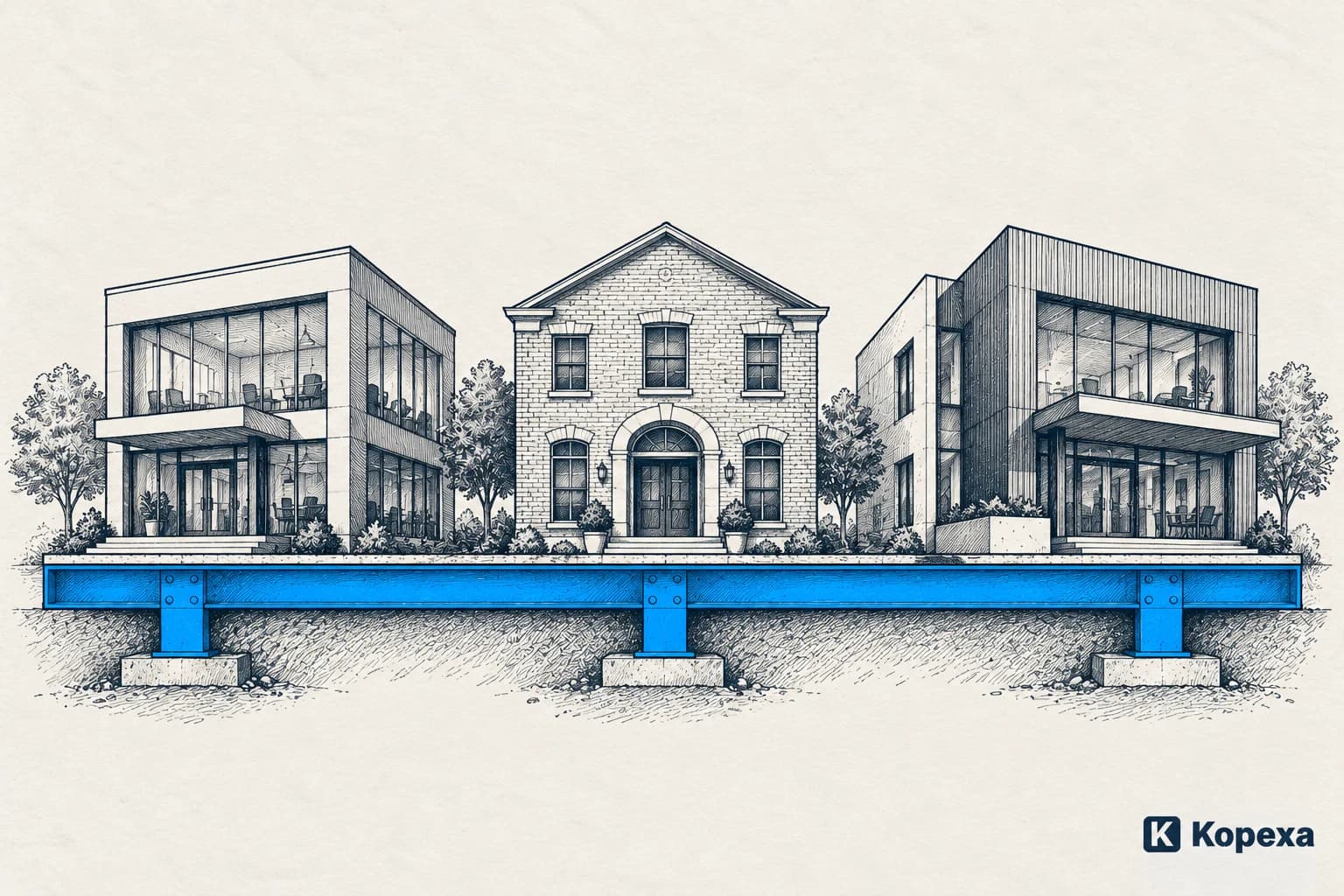

An energy provider may combine grid operation, generation, sales and other services. These activities require separate regulatory classification. A generic office-IT NIS2 checklist is insufficient.
This guide leads from that classification to a shared IT and operations test: failed remote access, its fallback route and approval to resume.
Do not transfer every BSIG duty unchanged
Section 28(5) BSIG contains sector-specific provisions for certain energy businesses governed by sections 5c to 5e EnWG. Several BSIG provisions listed there do not apply directly to them; other activities and critical installations can produce a different classification.
Do not infer a blanket exemption from security work. Record instead: which activity falls under which rules? Which authority is responsible? Which reporting route applies? Establish this before an incident.
Start with the energy service
For one service, record controlling processes, installations and supporting IT. Include shared dependencies: remote access, identities, communication routes and providers.
IT and operational technology, OT, teams should understand the same dependency even where maintenance and approval differ. A measure must not count as complete merely because one side finished its part.
A joint test for operations and security
Fictional example: Central remote access is unavailable. Some local operation remains possible, but an external provider cannot resolve a fault. Check the fallback route and time required. Are the necessary people actually available?
The BIA should distinguish these impacts over time. The recovery plan must derive specific work, including communication and physical access dependencies.
Use changes as review triggers
New remote maintenance, a change of operator or altered installation connections can invalidate assumptions. Define who initiates a risk review and which records it needs.
Pay particular attention to long-running exceptions. If an update is temporarily impossible, you need justified alternative safeguards, an owned decision and another review date. The risk decision should explicitly name the interim arrangement and its time limit.
Test redundancy against common causes
Two technical routes offer a useful alternative only when shared dependencies are understood. Check power supply, underlying communications services, site access and central identity management. A second provider may use the same underlying bottleneck.
Take a planned fallback connection: who switches, who confirms operational functionality and which condition could impair both routes? Record unknowns as review tasks, instead of treating two lines on a diagram as evidence of effectiveness.
Kopexa’s asset dependencies and protection requirements analysis help structure these relationships. The guided BIA adds consequences over time. Technical switching and grid control remain tasks for the designated operational systems.
Agree joint IT/OT change completion
Define completion beyond technical success. Confirm that operational documentation, access and relevant assessments still fit. Removing a remote maintenance component may invalidate a documented emergency route.
Link the measure with the verified result. Management then needs the points operations and security cannot resolve alone: additional resources, an unattainable recovery objective or a temporary exception. Those decisions belong in the next review.
Bring the context together in Kopexa
Kopexa can connect information assets, asset dependencies, protection requirements and BIA with measures. Owners document which evidence supports implementation. The management review turns this into resource and priority decisions. Legal sector classification remains a specialist task.
Quick answers
Frequently Asked Questions
Still have a question? Find the answers here.
Do general BSIG notification deadlines always apply to energy providers?
Do not assume this universally. Check sector-specific provisions and the reporting route applicable to the particular activity.
Sources
- BSIG section 28: Scope — Bundesministerium der Justiz [Accessed ]