73–81 of 178 articles
By publication date
ISMS without an internal IT department: Allocate tasks sensibly
Organise information security with outsourced IT: clarify responsibilities, evidence and decisions without building your own IT department.
 Julian Köhn·

Changing your risk method: How do assessments remain comparable?
Introduce new risk scales without creating apparent improvement: retain method versions, compare sample cases and separate time series clearly.
Julian Köhn·
DORA register of information: How do you check data quality?
Check relationships between contracts, providers and functions in the DORA register of information: review steps, typical errors and a supplier-change example.
Julian Köhn·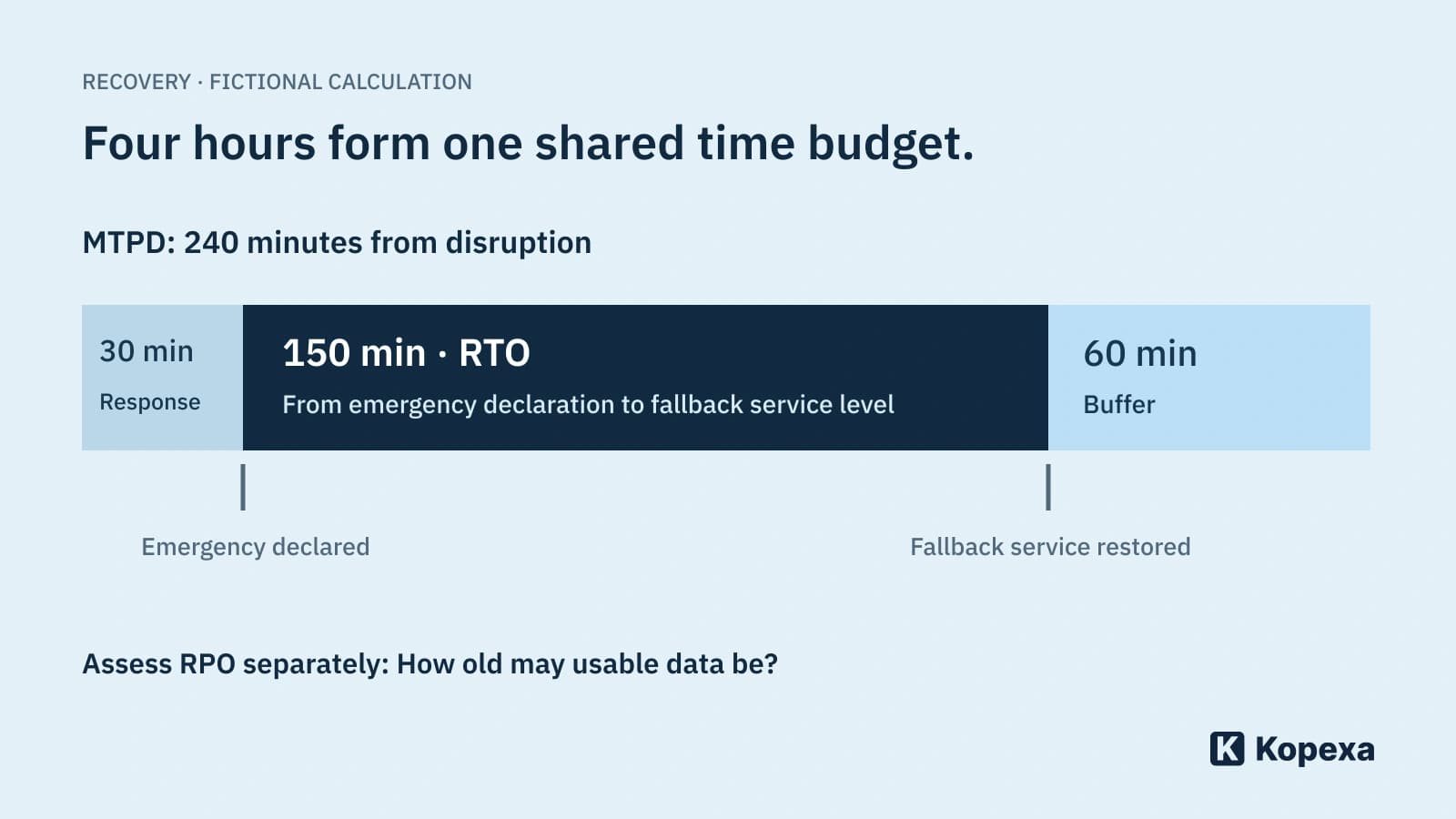
RTO, RPO and MTPD: How much downtime can your process tolerate?
Derive recovery time and tolerable data loss from the business process. Includes a worked example, time buffer and recovery test questions.
Julian Köhn·
GRC for subsidiaries: Central direction, local responsibility
Shared security standards without blanket green group reports: separate central requirements, local implementation and justified exceptions.
Julian Köhn·
ISMS with an external consultant: Agree on collaboration and handover
Keep your ISMS operational after a consulting project with clear decisions, shared records and a handover tested in practice.
Julian Köhn·
Exporting ISMS data: How to test your future exit
Before buying software, check whether risks, measures, evidence and their relationships can leave with you. Includes a practical export test and acceptance record.
Julian Köhn·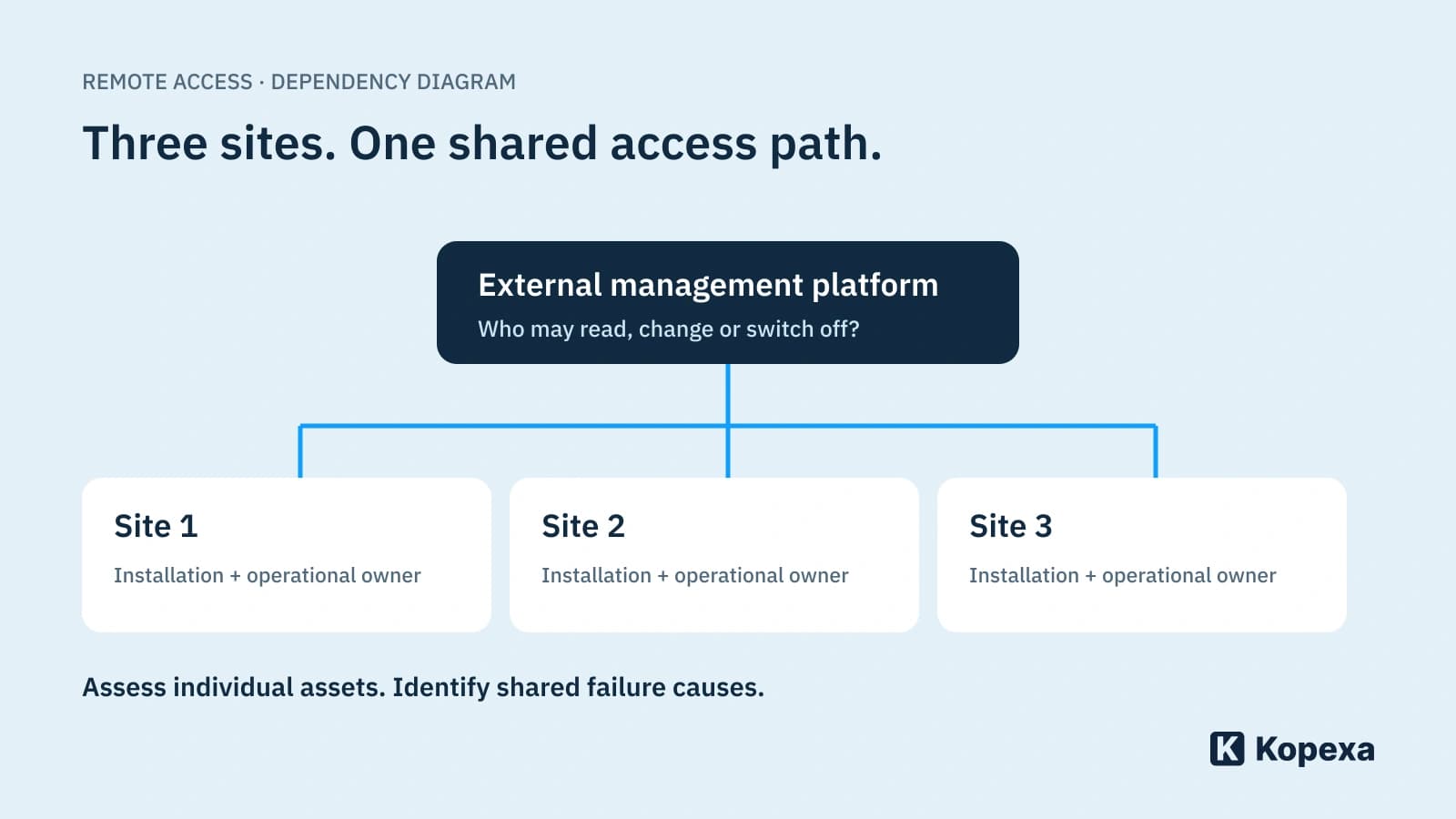
Sungrow: Who can control your equipment remotely?
The fixed iSolarCloud vulnerability illustrates an operational risk: central remote access to many installations. Review access, dependencies and fallback operation.
Julian Köhn·
Introducing GRC software: Who takes responsibility for what?
A role model for GRC implementation: distinguish decision-makers, business owners and administrators, then test the handover to daily operations.
Julian Köhn·