Topic in the Kopexa blog
Information Security
Explore Information Security: background information, practical examples and recent developments from the Kopexa blog.
11–19 of 27
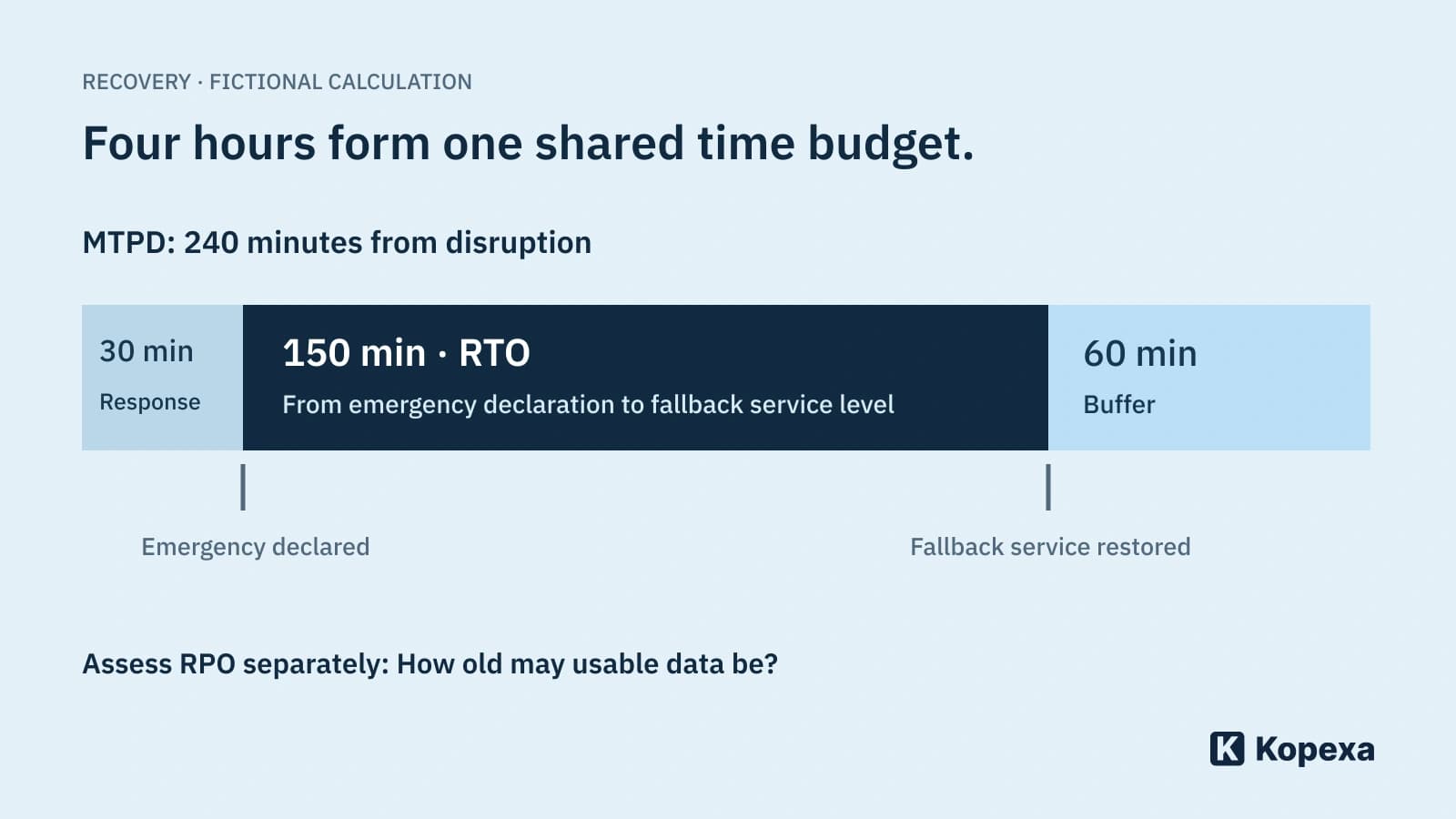
RTO, RPO and MTPD: How much downtime can your process tolerate?
Derive recovery time and tolerable data loss from the business process. Includes a worked example, time buffer and recovery test questions.
 Julian Köhn·
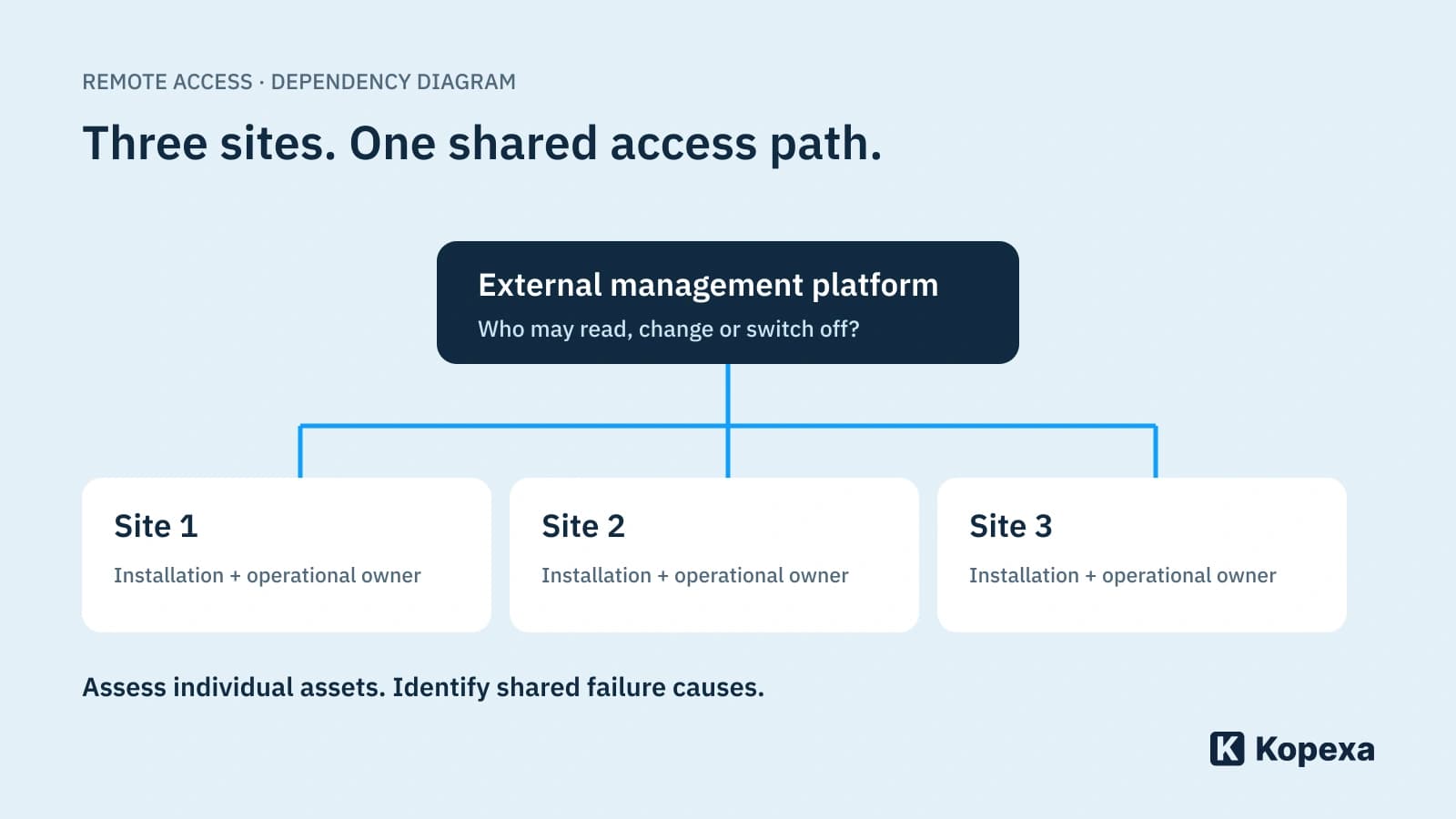
Sungrow: Who can control your equipment remotely?
The fixed iSolarCloud vulnerability illustrates an operational risk: central remote access to many installations. Review access, dependencies and fallback operation.
Julian Köhn·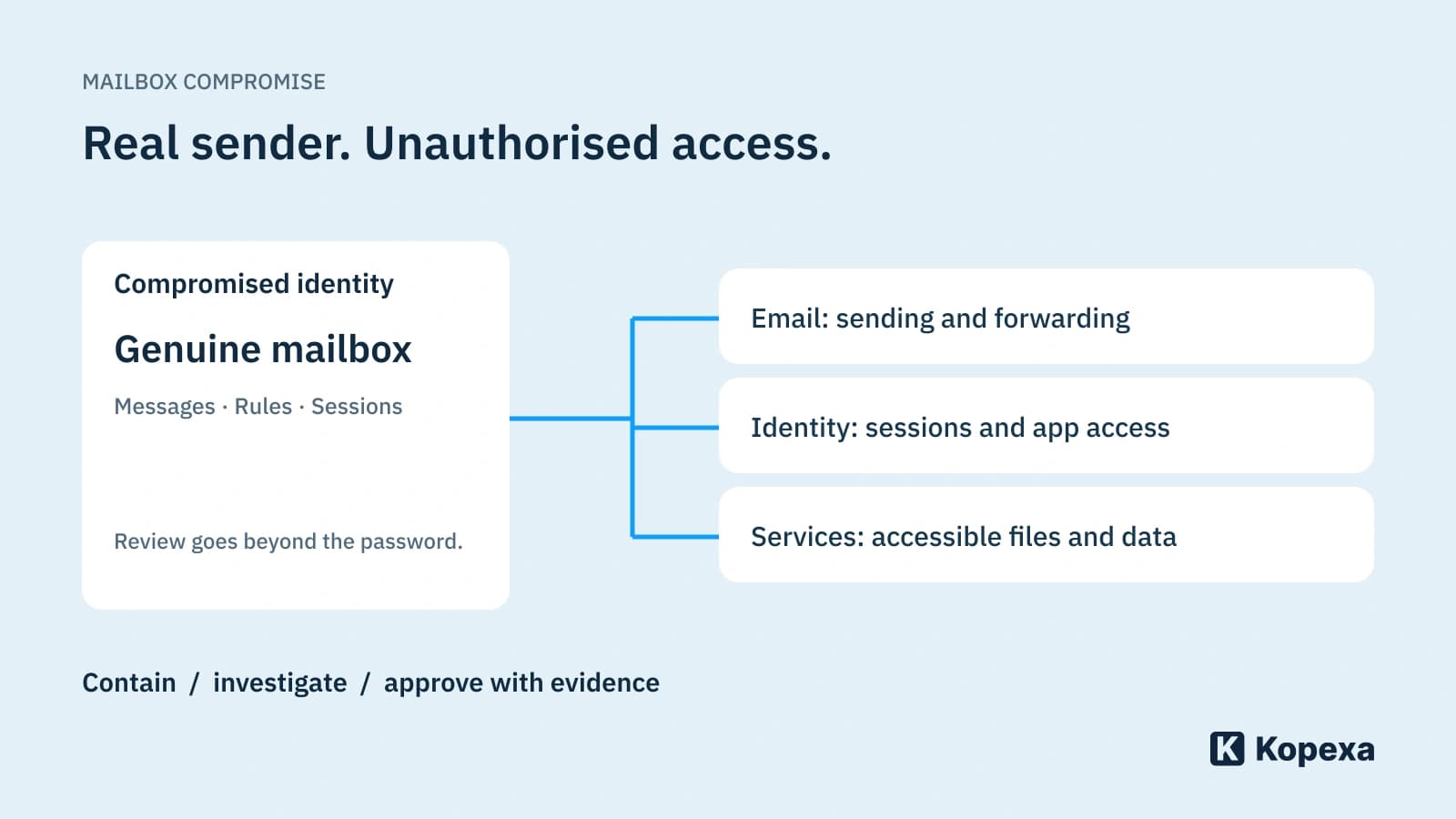
The phishing email comes from a real colleague. What now?
A compromised business mailbox makes the sender credible. Organise containment, investigation and a controlled return to work.
Julian Köhn·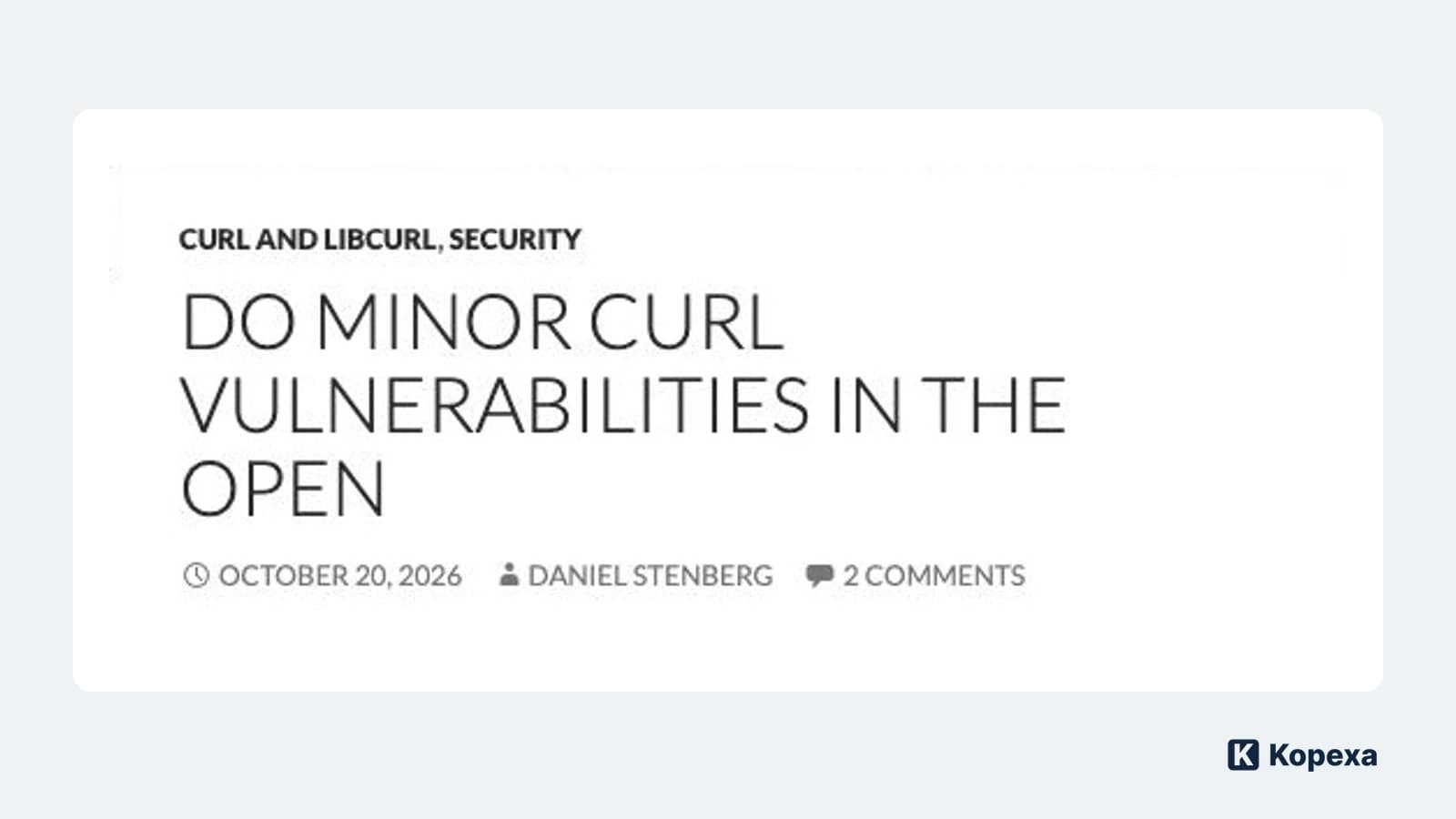
curl: More security reports do not automatically make us safer
curl changes its reporting procedure from 26 October. A CTO’s view on taking real vulnerabilities seriously and turning reports into reasoned decisions.
Julian Köhn·
GitLab security update: More than a patch to your development platform
A critical GitLab vulnerability requires a verified update and a review of the release path. Check versions, credentials, runners and remaining incident questions.
Julian Köhn·
ConnectWise/SkyKick: Your backup is there. Can you actually restore it?
What the ConnectWise Cloud Backup interruption means for Microsoft 365 customers: assess tenant investigation, backup gaps and recovery separately.
Julian Köhn·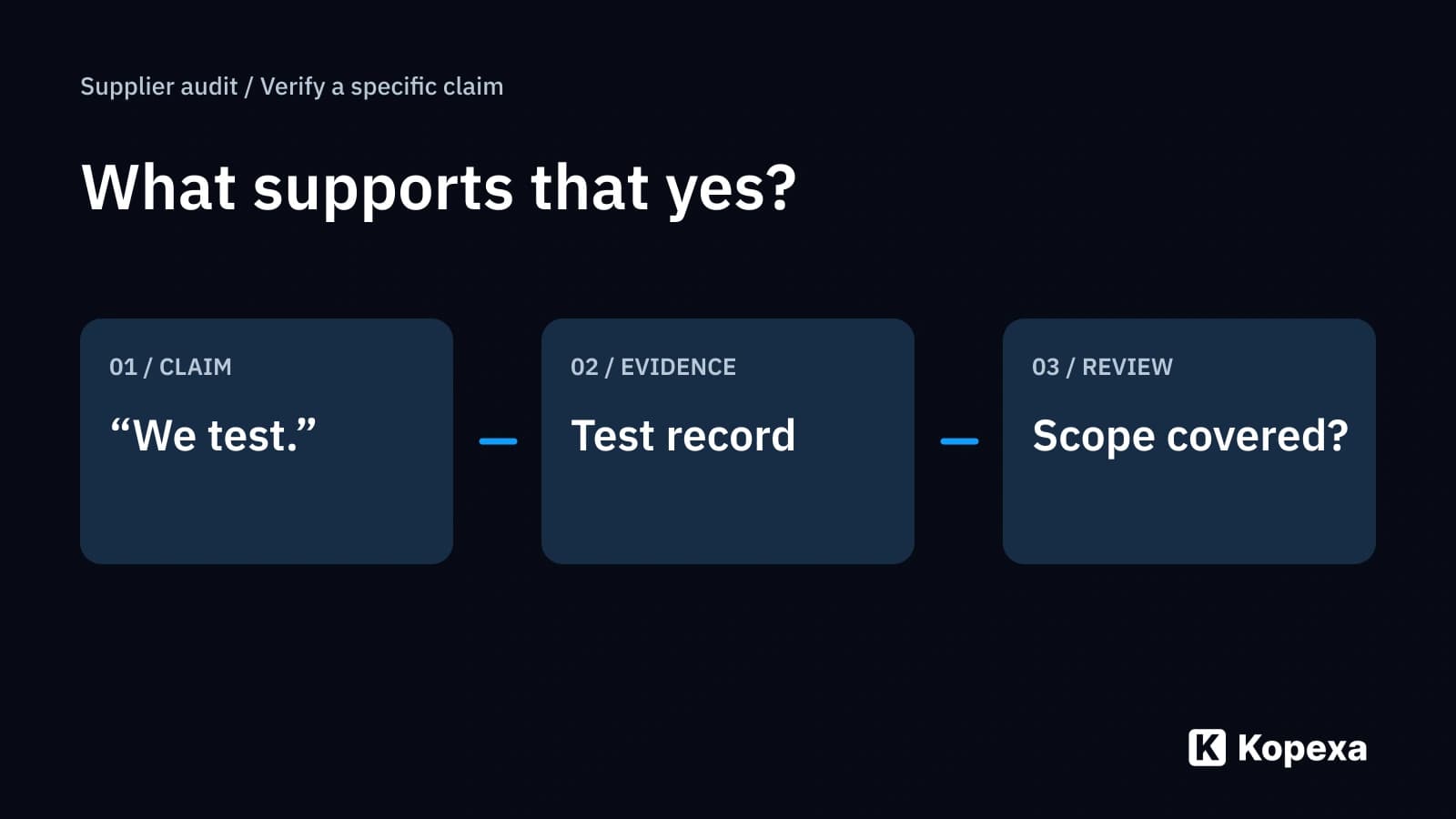
Supplier audits: turn a yes answer into reliable evidence
Examine a specific service, not just questionnaire answers. With an audit brief, evidence sample and findings record for information security.
Julian Köhn·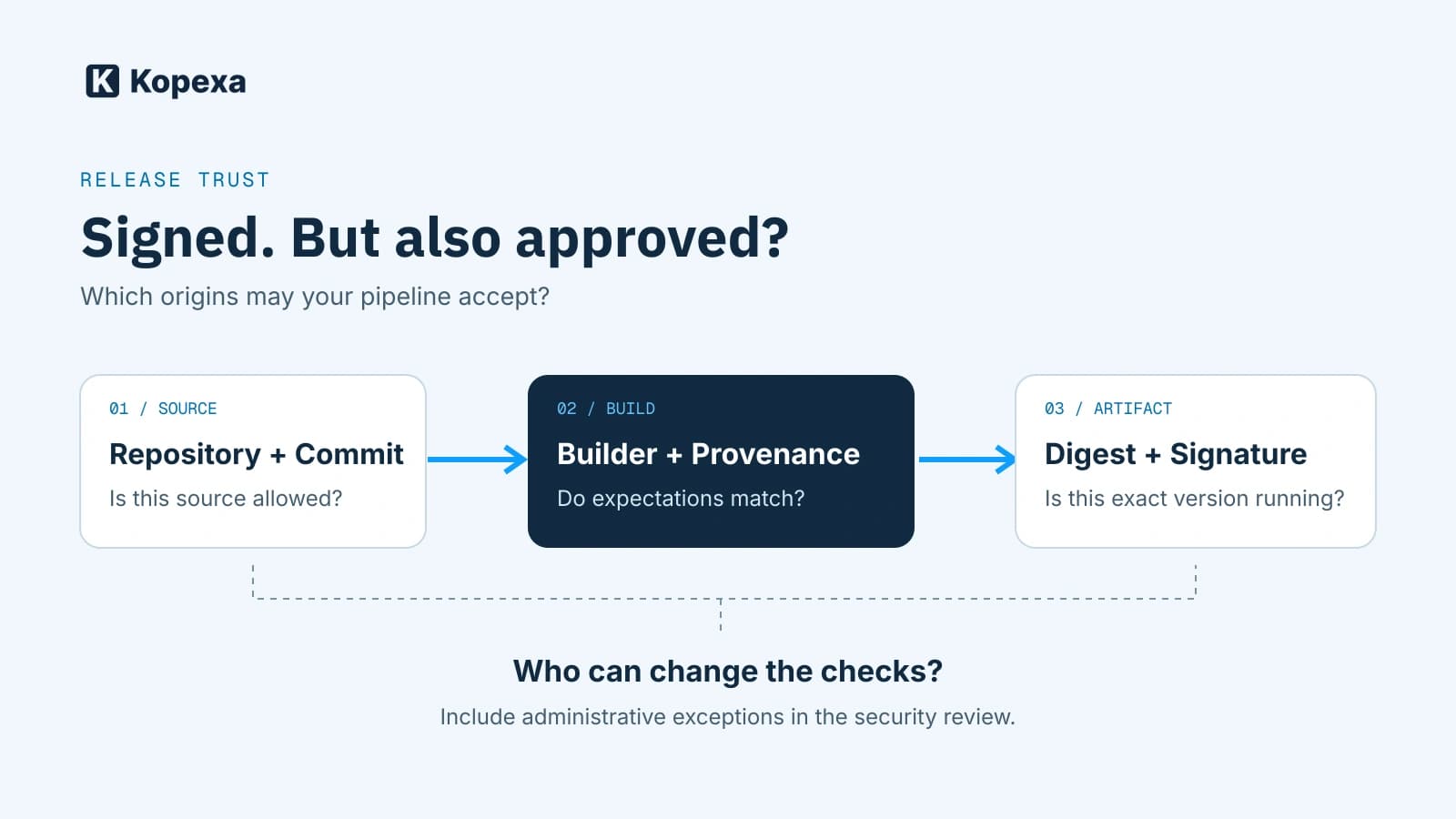
What the LiteLLM incident reveals about secure releases
Why a valid signature is not enough for release approval: verify provenance, restrict administrative exceptions and test recovery. A CTO perspective.
Julian Köhn·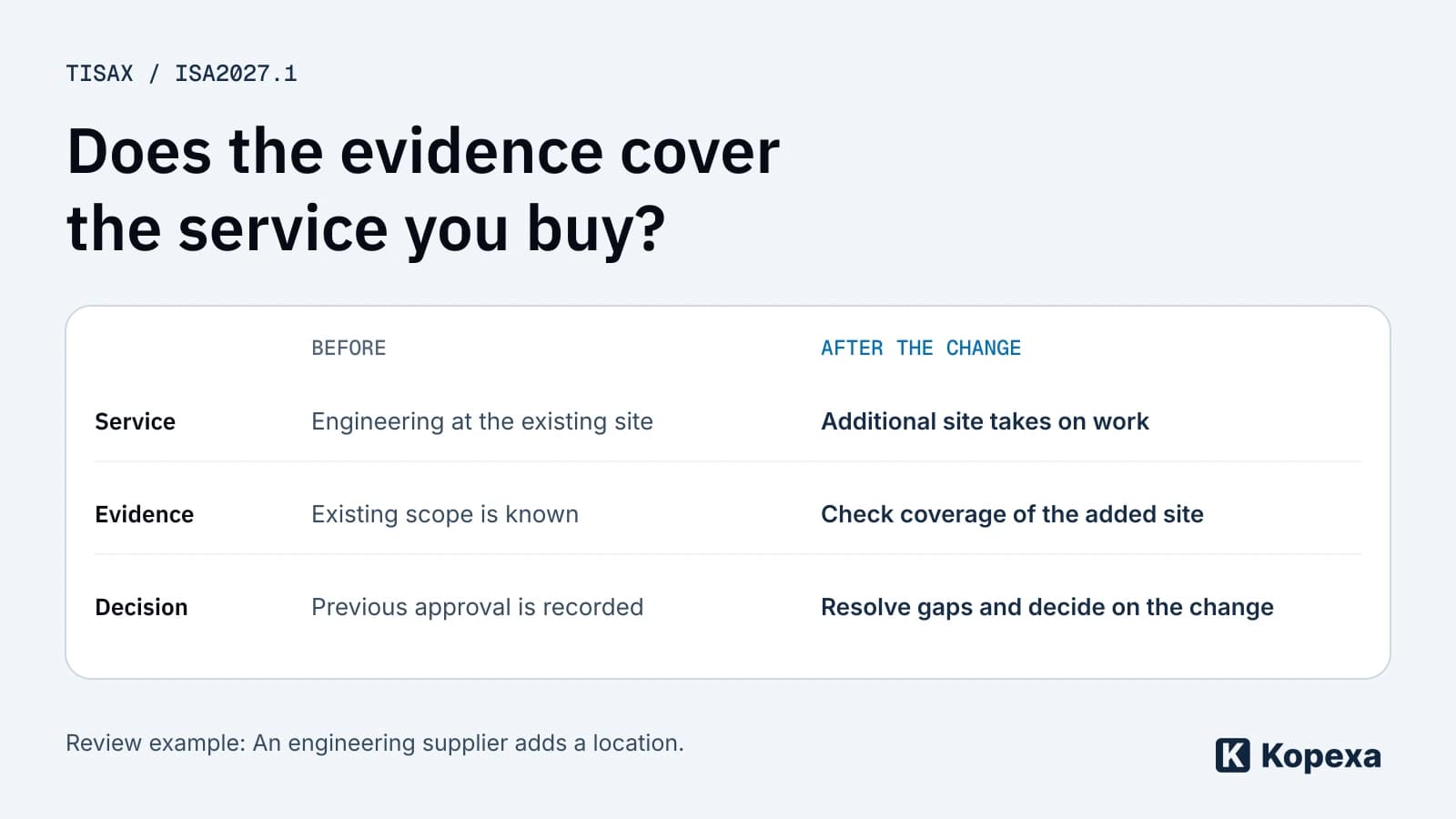
TISAX ISA2027: Prepare your supplier security review
Does supplier evidence cover the service you actually buy? Prepare for ISA2027 with a practical review example and a change register.
Julian Köhn·